How to Choose the Right Tipper for Your Work in 2026
Choosing the right tipper involves matching the vehicle’s payload capacity, tipping mechanism, and chassis durability to your specific material hauling needs. Whether for landscaping or heavy landfill duty, the ideal choice balances operational efficiency, terrain compatibility, and whether to buy new, lease, or invest in refurbished equipment.
What are the primary types of tippers available?
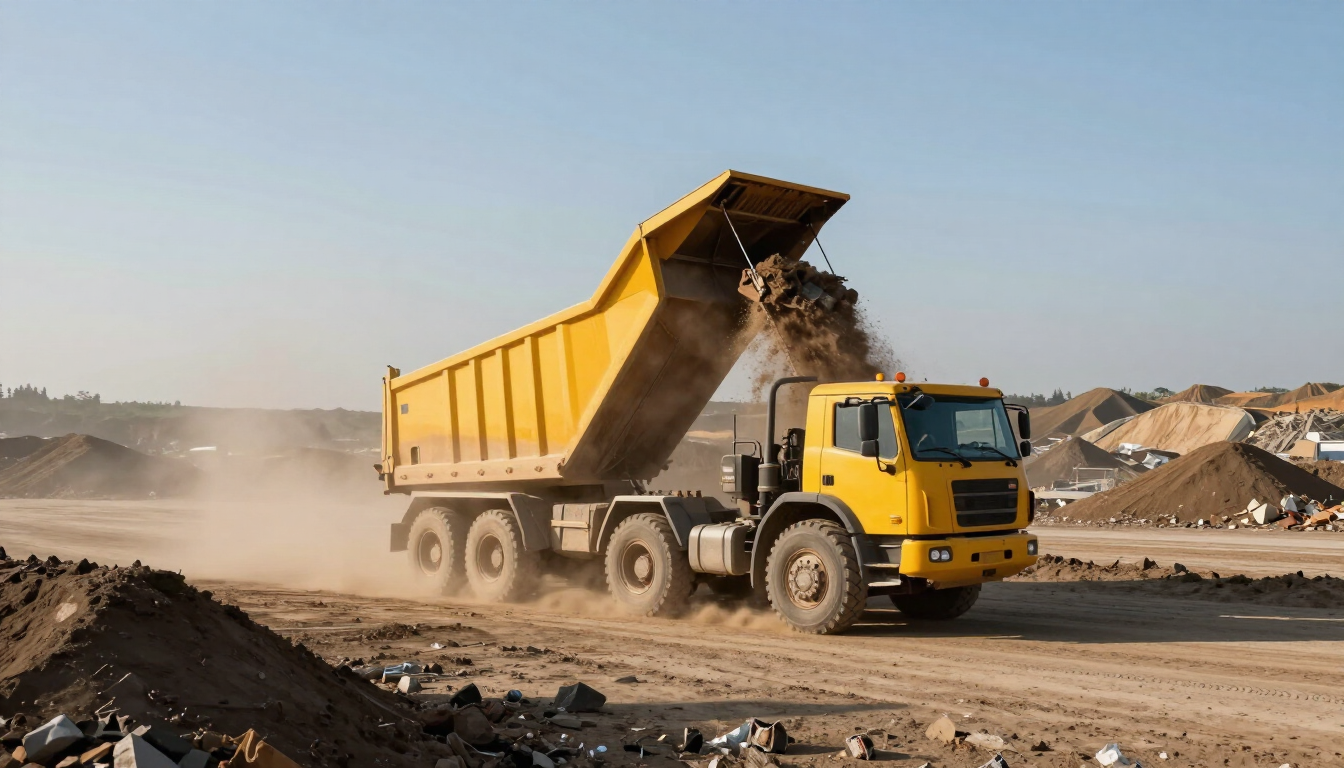
When you are looking at your fleet and realizing you need more hauling power, the first step is understanding that not all tippers are created equal. In the world of construction and landfill management, the "tipper" is the backbone of the operation, but the specific configuration can make or break your daily productivity. Generally, you are looking at three main categories: front-end tippers, side tippers, and three-way tippers.
Front-end tippers are the most common sights on American job sites. They discharge their load from the rear by lifting the front of the skip. These are fantastic for straightforward dumping tasks where you have plenty of room to maneuver. However, if you are working in tight residential areas or narrow landfill corridors, you might find them a bit restrictive. This is where side tippers come into play. They allow you to deposit materials along the side of the vehicle, which is a lifesaver for road construction or trench filling.
Then there is the three-way tipper—the Swiss Army knife of the equipment world. These allow for dumping from the rear or either side. While they are more complex and often represent a higher initial investment, the flexibility they offer on a busy site can significantly reduce the time spent maneuvering. At Jl Equipment and services , we often see landscapers gravitating toward these for their sheer versatility. Choosing the right tipper means looking at where you work as much as what you haul. If your site is cramped, the type of tipping mechanism becomes your number one priority.

Essential Features for Site Performance
Beyond just the way the bucket moves, you need to look under the hood and at the build quality. A tipper truck is only as good as its chassis and hydraulic system. If you’re hauling heavy debris or landfill waste, a weak hydraulic ram will fail you exactly when the deadline is looming. You want to look for reinforced steel bodies if you are dealing with abrasive materials like rocks or concrete. If you’re mostly moving soil or mulch, an aluminum body might be better as it reduces the weight of the vehicle itself, allowing for a higher legal payload.
When evaluating features, don't overlook the "extras" that actually keep your business running smoothly. Automated tailgates, high-visibility lighting for night shifts, and integrated weighing systems are no longer just luxuries. An integrated scale can prevent costly overweight fines and ensure you are maximizing every single trip. For landfill owners, specialized liners are often necessary to prevent wet waste from sticking to the bottom of the bed—a common headache that slows down the whole line.
How do you determine the right payload for your project?
Choosing the right tipper requires a deep dive into your typical load weight. It is easy to think "bigger is better," but hauling a half-empty 20-ton tipper is an expensive way to move 5 tons of dirt. Conversely, overloading a smaller truck leads to rapid wear and tear, safety risks, and legal trouble. To find the sweet spot, you should calculate your average daily volume and the density of the materials you move most often.
Key factors for determining payload capacity:
- Material Density: Wet clay weighs significantly more than dry wood chips.
- Site Accessibility: Larger trucks might not be able to navigate soft ground or tight turns.
- Legal Weight Limits: Always cross-reference the Gross Vehicle Weight (GVW) with local road regulations.
- Fuel Efficiency: Heavier trucks consume more fuel, even when empty.
- Future Growth: Consider if your projects are likely to scale up in the next 18 months.
By accurately matching capacity to the job, you ensure that your investment in Inventory pays off through lower overhead and higher uptime. Over-speccing is a common pitfall that can eat into your profit margins faster than you’d think.
The Value of Refurbished Landfill Tippers
In the landfill industry, the environment is incredibly harsh. Acidic runoff, heavy dust, and constant operation take a toll on machinery. Because of this high wear-and-tear, many of our clients find that investing in refurbished equipment is a much smarter financial move than buying brand-new every time. A high-quality refurbished tipper has been stripped down, inspected, and rebuilt with new parts where it counts, giving you 90% of the performance of a new machine at a fraction of the cost.
When we talk about How we work at Jl Equipment and services, we emphasize the rigor of our refurbishment process. We focus on the hydraulic seals, the integrity of the tipping frame, and the engine’s health. For landfill owners, a refurbished unit can be the difference between having a backup machine on standby or being forced to stop operations when a primary unit goes down for maintenance. It’s about building a resilient fleet that can handle the grit of the United States landfill sector without breaking the bank.
Why is terrain compatibility a dealbreaker?
Choosing the right tipper means looking at the ground beneath the tires. A 4x2 configuration might be perfect for paved roads and suburban landscaping jobs, but the moment you hit the muddy, un-compacted soil of a new landfill cell or a remote construction site, you’ll wish you had a 6x4 or an 8x4 setup. Traction is everything. If your tipper gets stuck, you aren't just losing that truck's time; you're losing the time of the loader operator and the crew waiting for the material.
For those working in extreme conditions, articulated tippers are often the best bet. They offer superior maneuverability and can "walk" through terrain that would swallow a rigid truck whole. However, they come with a higher price tag and specialized maintenance needs. If your work is 80% on-road and 20% off-road, a standard rigid tipper with heavy-duty tires and a locking differential might be the perfect middle ground.

Should you lease or buy your next tipper?
This is the million-dollar question for most growing businesses. Buying a tipper outright is great for long-term equity, but it ties up a lot of capital that might be better used for payroll or materials. Leasing, on the other hand, offers flexibility. If you have a specific six-month contract for a large landscaping project, leasing a specialized tipper allows you to get the job done without being stuck with a machine you don't need once the contract ends.
At Jl Equipment and services , we see many construction companies using a hybrid approach. They own their "daily drivers"—the versatile units they use every day—and lease specialized or high-capacity tippers for peak periods. This keeps the balance sheet lean and ensures they always have the right tool for the job. If you are unsure which path is right for your current cash flow, don't hesitate to Contact us to discuss the options. We can help you run the numbers on leasing versus purchasing a refurbished unit to see which offers the best ROI for your specific situation.
Maximizing Tipper Longevity and Safety
Once you’ve gone through the process of choosing the right tipper, the real work begins: keeping it on the road. Safety is paramount when dealing with heavy loads and tipping mechanisms. A "tip-over" is a catastrophic event that can lead to injury and total vehicle loss. Ensuring your operators are trained to tip only on level ground and to check for overhead obstructions (like power lines) is non-negotiable.
Maintenance should be proactive, not reactive. Grease the tipping hinges daily, check hydraulic fluid levels every morning, and inspect the tailgate locking mechanism constantly. In the landfill world, cleaning the undercarriage is also vital; the corrosive nature of landfill materials can eat through a chassis faster than you might realize. A clean truck is a truck that reveals its problems early, before they become expensive failures.
Summary: Making Your Choice Count
To choose the right tipper for your work, you must look beyond the price tag and focus on the harmony between the machine and your daily tasks. Start by defining your required payload and the specific tipping orientation that your sites demand. Consider the environment—will the truck be navigating paved streets or muddy landfill tracks? Finally, evaluate your financial strategy by comparing the long-term benefits of purchasing refurbished equipment against the flexibility of leasing.
Quick Takeaways for Your Decision:
- Rear Tippers are best for high-volume, open-space dumping.
- Side/3-Way Tippers are essential for narrow or restricted work zones.
- Refurbished Units offer the best balance of cost and performance for harsh environments.
- Payload Accuracy prevents legal issues and premature mechanical wear.
- Leasing provides the flexibility needed for seasonal or contract-specific growth.
Selecting the right equipment is about more than just moving dirt; it's about moving your business forward. Whether you are ready to browse our latest inventory or need expert consulting on landfill relocation support, the right partner makes all the difference.
Recent Posts